On December 17, 2025, Diageo agreed to sell its 65% stake in East African Breweries PLC (EABL) – East Africa’s beer powerhouse – to Japan’s Asahi Group Holdings for $2.3 billion in net proceeds after taxes and costs. Valuing EABL’s full enterprise at $4.8 billion (17x adjusted EBITDA), the deal also transfers Diageo’s 53.68% holding in spirits firm UDV (Kenya) Limited (UDVK), with closure slated for the second half of 2026 pending approvals from Kenyan, Ugandan, and Tanzanian regulators.
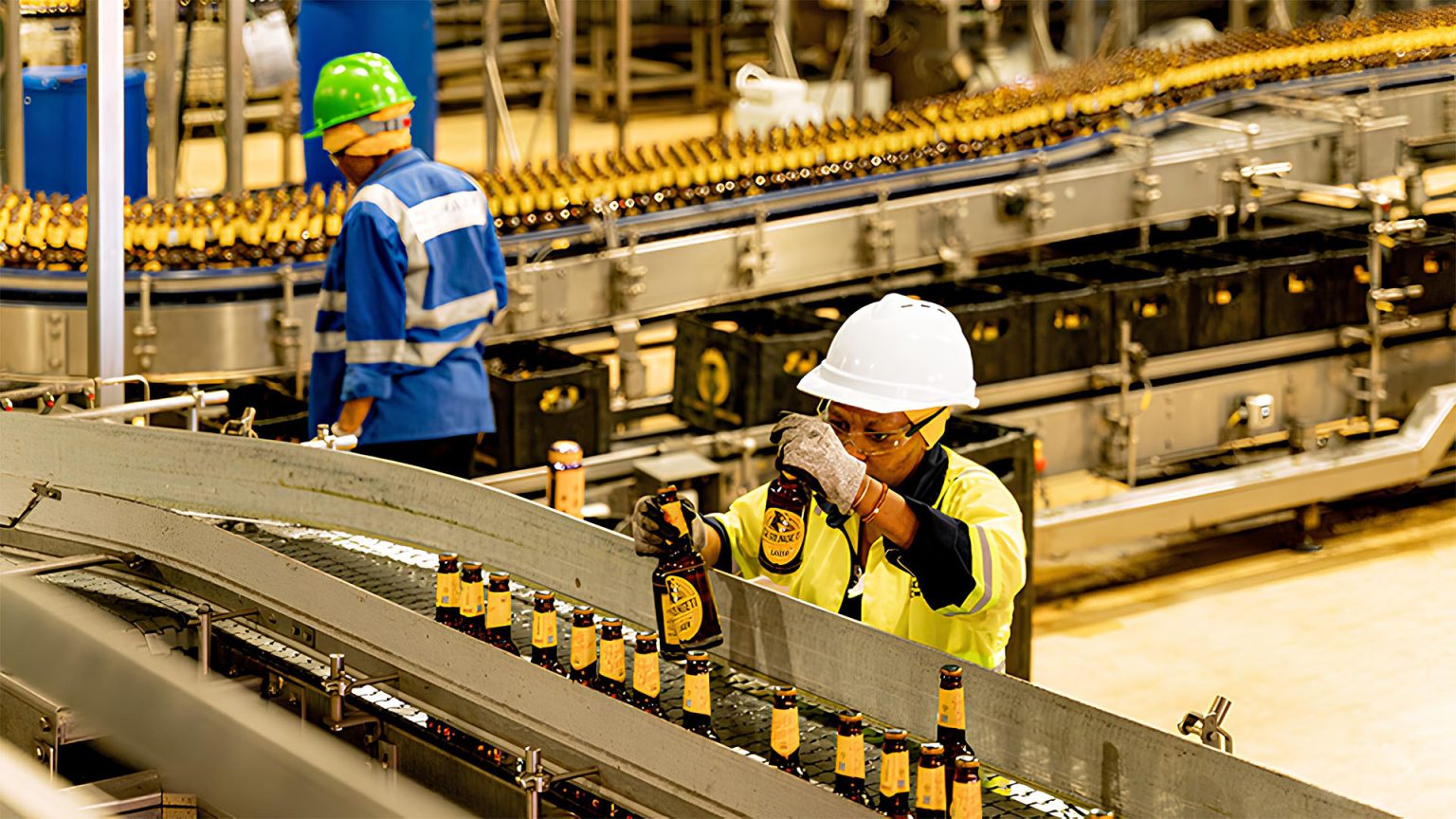
EABL, boasting net sales of $996 million and EBITDA of $258 million for the year ended June 30, 2025 (net debt $229 million), dominates Kenya, Uganda, and Tanzania with local icons like Tusker, Senator, Serengeti Lager, and Kenya Cane spirits. The structure is elegantly crafted for continuity: Diageo secures long-term licenses for EABL to produce and distribute Guinness, Smirnoff, Captain Morgan, and ready-to-drinks like Smirnoff Ice, while local brands stay under EABL ownership. EABL remains listed across the three markets, and Asahi plans no mandatory takeover of the 35% public float, seeking regulatory exemptions to preserve the shareholder base.
This transaction crystallizes diverging global strategies in a year of beverage industry realignment: Diageo’s disciplined retreat from non-core assets amid leverage pressures, versus Asahi’s bold platform bet on Africa’s structural growth.
For Diageo, grappling with softer global demand and a leverage ratio above target, the $2.3 billion infusion shaves ~0.25x off net debt-to-EBITDA, advancing its pledge to return to 2.5-3.0x through selective disposals. It extends a systematic African pullback – including Guinness Ghana to Castel earlier in 2025 and prior exits in Nigeria, Cameroon, and Ethiopia – reclassifying most African beer and spirits operations (barring South Africa) as non-core, with signals of broader portfolio reviews. Interim CEO Nik Jhangiani hailed it as delivering “significant shareholder value” alongside tighter capital discipline. Diageo exits control but retains brand oversight via licenses, preserving market presence without operational heft.
Subscribe to our newsletter
Asahi, by contrast, marks its largest-ever African foray – the first such scale by a Japanese brewer – as a pivot from brand acquisitions (Peroni, Pilsner Urquell) to platform-scale globalization. EABL delivers not just brands but a high-margin distribution engine in a region fueled by population booms (Kenya’s median age ~20), urbanization, and beer per capita upside. CEO Atsushi Katsuki spotlighted “sustainable growth” via EABL’s state-of-the-art plants, 1,540-strong team under CEO Jane Karuku, and marketing prowess, blending locals with selective Asahi premiums like Super Dry. Unlike short-term flips, this aligns Asahi’s medium-term policy: premiumization in core markets plus geographic leaps into megatrend zones, even if it temporarily pushes leverage slightly above target.
The handover isn’t a fire sale but a calibrated platform transfer. Diageo cedes execution to Asahi yet holds Guinness’ cultural reins – Africa’s iconic stout, a non-negotiable symbol Diageo wouldn’t fully relinquish – ensuring licensed flows uninterrupted. Asahi gains scale sans minority shareholder friction, but global licenses tether it to Diageo’s orbit.
In East Africa, EABL’s dominance endures against Heineken and Castel (AB InBev), but Asahi signals Asian players’ rising footprint – long-term oriented, brand-savvy – amid Western consolidation. This isn’t yet an “Asian capital era” (Western giants still hold sway), but a pivotal signal of diversification.
This $3 billion gross deal (DKL $2.354bn + UDVK $646mn) stands as 2025’s landmark M&A, heralding a strategic divide: Western giants like Diageo prioritizing deleveraging and spirits purity, Eastern counterparts like Asahi wagering on emerging cash cows. As East Africa’s drinks market evolves under Tokyo stewardship, blending Tusker heritage with global ambition while Guinness endures by license, the transaction marks 2025 as a year when global alcohol strategy diverged between resilience and expansion.