Anheuser-Busch, the U.S. arm of AB InBev, has agreed to acquire an 85% stake in fast-growing ready-to-drink brand BeatBox for up to approximately $490 million, with a clear path to full ownership after five years under a pre-agreed pricing formula. The deal, announced on December 5, is expected to close in the first quarter of 2026 pending regulatory approval.
At current terms, the transaction values BeatBox at roughly $576 million. That marks a remarkable leap from the $3 million valuation the brand carried in 2014 when Mark Cuban invested $1 million for one-third on Shark Tank. In the 52 weeks ending November 23, 2025, BeatBox generated more than $340 million in U.S. retail sales across MULC channels (Circana), up over 50% year-on-year, and cemented its position as the No. 1 RTD alcohol brand in convenience stores for 2024.
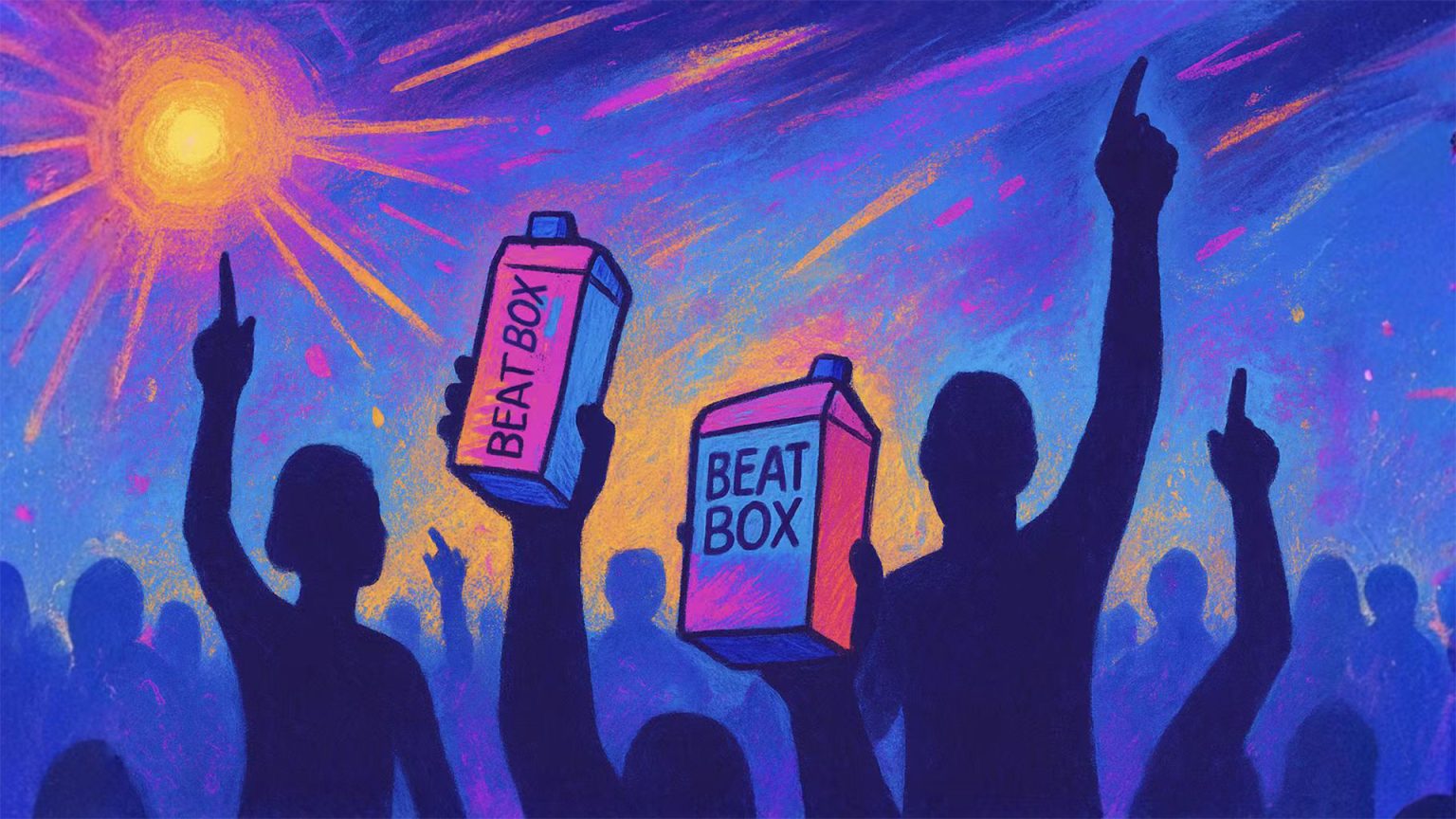
The Texas-based company, founded in 2011 by Justin Fenchel, Aimy Amy Pham Steigman, and Brad Schultz, produces 11.1% ABV wine- and malt-based “Party Punch” in resealable 500ml and 1L Tetra Pak cartons. With bold, nostalgic flavors such as Blue Razzberry, Cranberry Dreams, and Sweet Heat Cinnamon, BeatBox has built a devoted Gen-Z following through vivid packaging, music-festival partnerships, and relentless convenience-channel dominance. It is now available at over 140,000 doors across all 50 states.
For Anheuser-Busch, BeatBox slots perfectly into the fast-expanding Beyond Beer portfolio alongside Cutwater Spirits (spirits-based RTD), NÜTRL Vodka Seltzer (lower-abv, lighter profile), and Phorm Energy. Unlike those offerings, BeatBox brings high-abv, fruit-forward punch, unrivaled c-store velocity, and a distinct party-occasion positioning that shows virtually no overlap with the existing lineup.
Subscribe to our newsletter
Brendan Whitworth, CEO of Anheuser-Busch, who spent the past year building a personal relationship with the BeatBox founders, called the brand “one of the fastest-growing RTDs in the industry” and praised its entrepreneurial culture and consumer connection. Justin Fenchel echoed the sentiment, noting that the long-standing distribution relationship with AB InBev made the partnership a natural next step, adding that the founding trio will remain in place to lead the brand.
The timing is telling. AB InBev’s third-quarter results, reported in late October, showed the slowest profit growth since 2021, weighed down by soft beer volumes and currency headwinds. Beyond Beer remains the brightest spot in the U.S. business, but thereal story is simpler: after the Bud Light boycott exposed how quickly Gen-Z can abandon “light lager culture,” AB InBev is now paying half a billion dollars to own the new default party fuel for house parties, tailgates, festivals, and gas-station runs, the exact occasions where Bud Light once reigned unchallenged.
In the broader RTD landscape, where category growth still runs 15–20% annually while beer declines, the BeatBox deal stands as the largest single-brand transaction of 2025 so far. It also signals that the distinctly American “hard punch” segment has officially graduated from niche to must-own.
From a $3 million Shark Tank pitch to a near-$600 million exit in fourteen years, BeatBox has now officially entered the big leagues. With AB InBev’s route-to-market muscle behind it, the colorful carton that started as an MBA project looks poised to become a national, and potentially global, party staple.