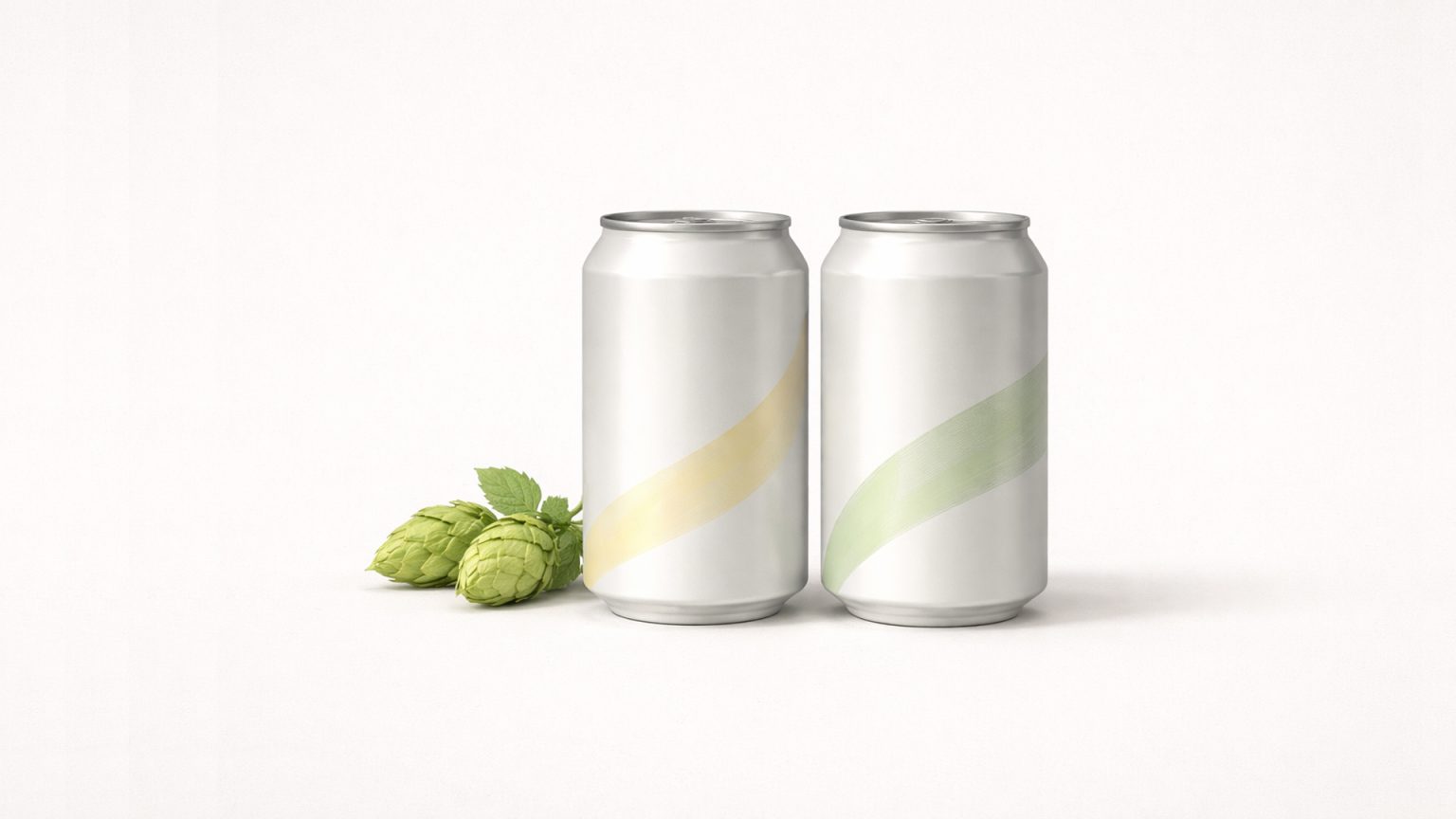
On March 27, 2026, Constellation Brands announced an agreement to acquire the remaining stake in HOPWTR, a premium non-alcoholic sparkling water brand launched in 2020 with hops, adaptogens, and nootropics. The deal, which builds on a 2021 minority investment through Constellation Ventures, is expected to close in early April 2026, subject to standard conditions. Financial terms were not disclosed. Founder Jordan Bass and the team will join Constellation and continue shaping the brand, with manufacturing, sales, and distribution remaining unchanged in the near term.
This transaction is not an isolated bet on growth. It reflects a deliberate shift in how Constellation allocates capital around drinking occasions, extending its beer-centric portfolio into functional, zero-calorie territory.
HOPWTR positions itself as a beer alternative without attempting to replicate beer. Unlike non-alcoholic beer, which seeks to mimic fermentation, mouthfeel, and the original category, hop water abstracts only the sensory layer of hops – delivering aroma, bitterness, and familiarity while removing alcohol, calories, and the brewing process entirely. In doing so, it separates flavor from alcohol – a distinction that traditional beer formats rarely make. This creates a parallel consumption track rather than a direct substitute. It targets occasions where consumers want the ritual and flavor memory of beer without the physiological load, supporting patterns such as zebra striping or daily functional hydration.
The move aligns with broader market dynamics. The non-alcoholic segment has been one of the fastest-growing areas in beverage alcohol, with dollar sales in relevant categories rising notably in 2025. It complements Constellation’s existing NoLo lineup, including Corona Non-Alcoholic, Modelo Chelada Limón y Sal Non-Alcoholic, and Kim Crawford Illuminate, adding a functional dimension that sits outside traditional beer production logic. Jim Sabia, President of Constellation’s Beer Division, noted that the company has worked closely with the HOPWTR team since 2021 to shape its direction, describing the brand as a natural addition as non-alcoholic options gain traction.
Subscribe to our newsletter
NoLo is quietly redesigning the conditions under which drinking remains acceptable and frequent. By securing a functional entry point anchored in hops, Constellation is not merely defending its core beer business but quietly extending the perimeter within which alcohol-based drinking remains acceptable. The hops element offers a potential halo effect by familiarizing consumers with hop profiles in a low-risk format that could indirectly support premium beer perception over time.
Execution will determine the real value. Constellation’s national distribution network, retail relationships, and marketing resources could accelerate HOPWTR from a regional player to broader scale. Yet structural tensions remain. The key question is whether functional claims around adaptogens and nootropics will drive repeatable consumption occasions, rather than trial-driven curiosity – particularly in a category where functional positioning often struggles to anchor consistent usage occasions beyond initial trial. Near-term continuity of operations also means deeper integration – and any potential dilution of brand independence – is still ahead.
Unlike global brewers that primarily extend non-alcoholic offerings within existing beer formats, Constellation is selectively exploring formats that operate outside traditional production logic. This reflects a pragmatic response to fragmented drinking occasions, generational shifts, and regulatory pressures on alcohol volume. The strategy prioritizes resilience through diversified entry points rather than replacement of the core.
The significance lies less in the transaction itself, and more in how quietly the boundaries of the category continue to shift. The next signals will come not from the transaction itself, but from patterns in repeat purchase, consumer migration, and how far this parallel track can extend without losing its distinctiveness.