Sula Vineyards has signed a definitive agreement to buy the Chandon wine production estate in Dindori, Nashik, from Moët Hennessy India for 200 million rupees (about $2.16 million). The deal covers 19 acres of land, winemaking facilities with an annual capacity of 450,000 litres (expandable to 1.3 million litres), a visitor centre, banqueting facilities, and five acres of vineyards. It excludes the Chandon brand and related assets. Once completed, expected in the first quarter of fiscal 2027, the move will see Moët Hennessy step back from local production of Chandon in India.
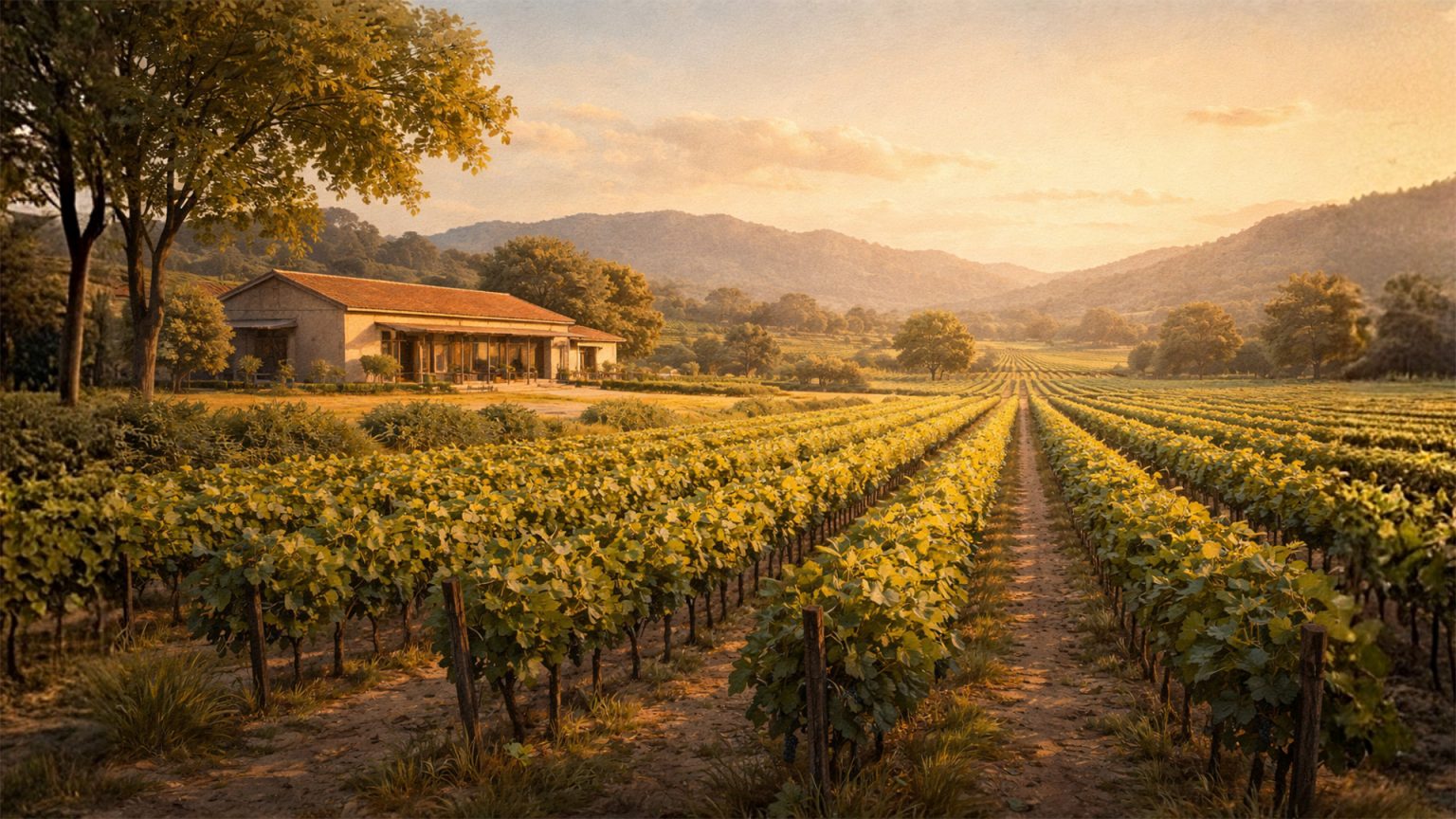
The estate lies in Dindori, widely regarded as one of India’s premier grape-growing areas. Moët Hennessy had operated the site for more than a decade, producing premium sparkling wine under the Chandon name and later launching the still wine Chandon Aurva. The brand had been distributed across more than 20 major cities. After the transaction, Moët Hennessy will continue to offer Chandon products in India through imports handled by its local entity, which stated that the brand remains part of its portfolio and that it remains committed to supporting partners and customers during the transition.
Sula Vineyards, India’s largest wine producer and a pioneer of the modern Indian wine industry, will execute the purchase through its wholly owned subsidiary Artisan Spirits Private Limited using internal cash flows. The company plans to integrate the facility quickly, opening existing hospitality elements such as the tasting room soon after handover. Founder and CEO Rajeev Samant described the acquisition as a once-in-a-lifetime opportunity to acquire a truly world-class estate, highlighting its proximity to Nashik airport and Sula’s existing wineries in the region.
The move strengthens Sula’s position in both production and wine tourism. The company already operates a flagship destination near Gangapur Lake in Nashik that attracts over 300,000 visitors annually. Samant said the Dindori estate will help develop another landmark wine resort, building on that success and supporting the next phase of growth for the tourism business.
Subscribe to our newsletter
The sale will see Moët Hennessy step back from local wine production in India while continuing to offer Chandon through imports. For Sula, it adds scalable capacity and a ready-made hospitality platform in a prime location at a time when the company continues to expand its footprint in a complex domestic market.
India’s wine sector faces high and varying taxes across states, regulatory complexity, and a consumer base still dominated by spirits. Local production has often been used to navigate import barriers, yet achieving scale and consistent returns has proved difficult for many players. The transaction reduces Moët Hennessy’s local asset footprint while giving Sula added capacity and a ready hospitality platform in a prime area.
The deal remains subject to regulatory approvals and is expected to close in the first quarter of fiscal 2027. Once completed, its success will depend on how effectively Sula integrates the estate and develops its tourism potential in a market where demand can fluctuate.