Pernod Ricard has completed its departure from California still wine, selling Kenwood Vineyards back to F. Korbel & Bros. For $4 million, a fraction of the nearly $100 million valuation when Korbel sold the same asset in 2014.
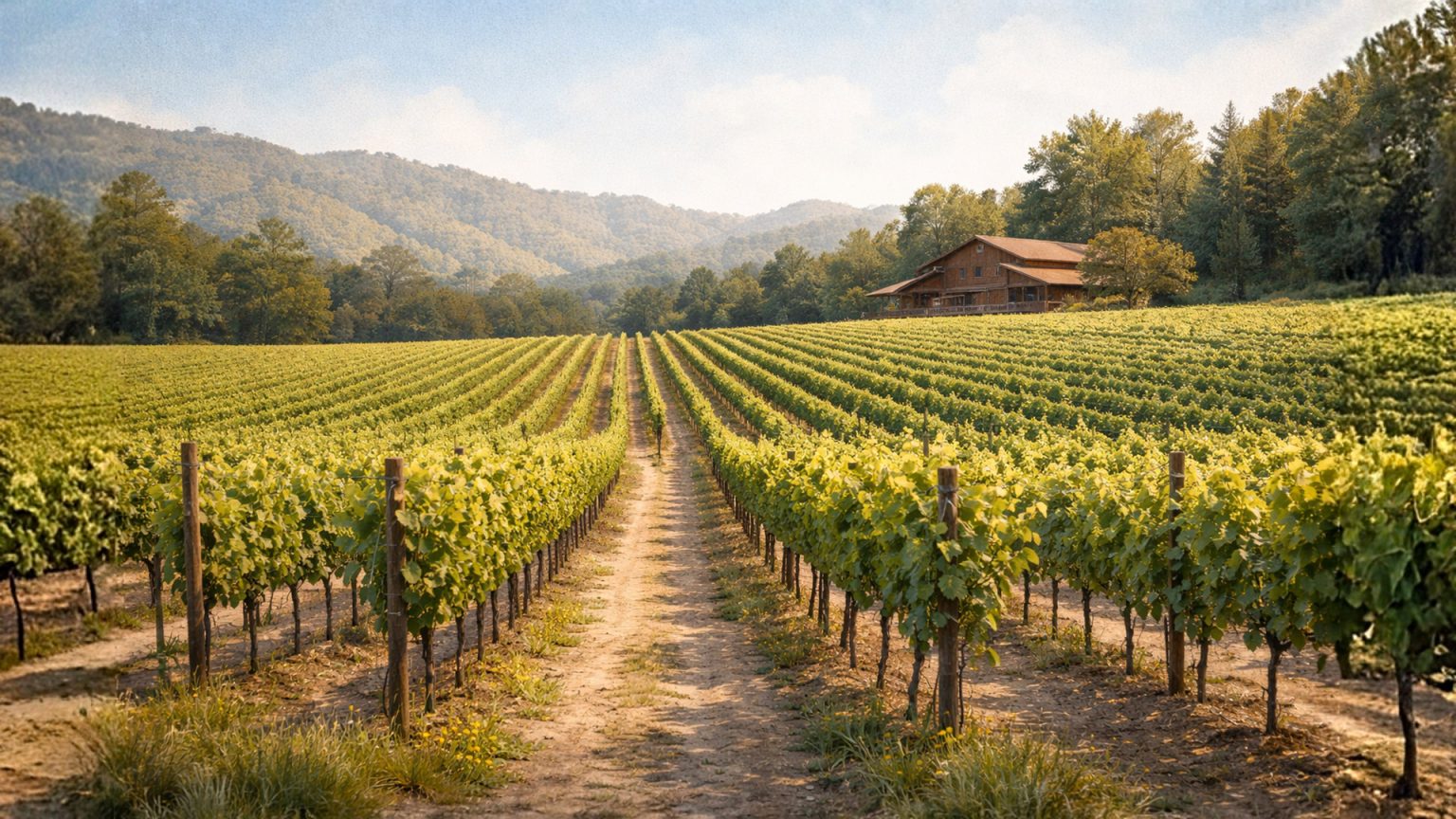
The transaction closed on March 26, 2026. Public records show the nearly 33-acre property at 9592 Sonoma Highway transferred to Kenwood Winery Land LLC, an entity linked to Korbel owner Gary Heck. The deal covers the winery facilities, visitor centre, approximately 20 acres of vineyards and associated trademarks.
One day later, on March 27, Kenwood Vineyards closed its tasting room to the public. A California Worker Adjustment and Retraining Notification (WARN) filing submitted on March 23 confirmed a permanent plant closing effective March 31 and the redundancy of all 14 employees.
In 2014, Korbel sold Kenwood to Pernod Ricard as its first acquisition in Sonoma County. At the time, the brand was positioned as a scalable premium still wine asset with annual production exceeding 550,000 cases, capable of benefiting from a global distribution network under the French group’s broader U.S. expansion. Korbel itself had grown the winery significantly after taking a 50 percent stake in 1996 and full control in 1999.
The Kenwood sale completes Pernod Ricard’s exit from California wine. It follows the finalisation in early 2026 of the December 2025 agreement to sell its Mumm Napa sparkling wine business to Trinchero Family Wine & Spirits. In a statement accompanying the closings, Pernod Ricard described both moves as “furthering the streamlining of its wine operational footprint in California.”
Subscribe to our newsletter
In 2014, scale, volume and access to international channels supported premium valuations for still wine assets like Kenwood. Twelve years later, the same asset changed hands at a sharply lower price while inventories across California remain elevated, consumer demand has softened and vineyard removals have accelerated. The 2025 harvest fell to levels not seen in over two decades.
The $4 million price tag covers prime Sonoma real estate, production infrastructure and an established brand. Yet it clears at a fraction of the 2014 figure. In today’s market, large-scale still wine operations face higher fixed costs and more cautious wholesale and direct-to-consumer channels, where the old equation of volume growth delivering strong returns no longer holds with the same force.
Korbel, a family-owned producer founded in 1882 and known for its California sparkling wines and brandy, regains an asset with which it has deep history. Gary Heck oversaw Kenwood’s earlier expansion before shifting focus during a period of strong bubbly demand. What the buyer will do with the vineyards, facilities and brand, whether integrating into sparkling production, reviving still wine activity or maintaining operational flexibility, remains to be seen.
Pernod Ricard’s exit marks the end of its California wine chapter and continues a strategic repositioning that prioritises spirits. For the wider industry, the Kenwood transaction, modest in absolute size but striking in its valuation contrast, shows what buyers are now willing to pay for still wine assets in Sonoma and beyond, and under what conditions those assets can still generate sustainable returns in a reshaped landscape.