In May 2026, Campari completed the sale of Averna and Zedda Piras for €96 million. The transaction, first announced at the end of 2025, removed two historic Italian liqueurs from the group’s portfolio. In the same half-year, Aperol grew 3.3% organically and Espolòn advanced 8.2%. The contrast is deliberate. Campari is no longer collecting brands. It is rationing the one resource that has become scarcer than capital: management attention.
Group organic net sales rose 2.7% to €1,512 million. Reported sales declined 1%, weighed by perimeter effects and currency. Adjusted EBIT increased 8.5% organically, with the margin expanding 130 basis points. These figures are not spectacular. They are evidence that a quieter sorting is under way.
The disposals form the clearest signal in the numbers. The completed sale of Averna and Zedda Piras in May removed roughly €26 million of annual sales and contributed to the roughly 2% perimeter drag. Organic growth still rose 2.7%. Removing secondary brands has not destroyed momentum. It has concentrated resources.
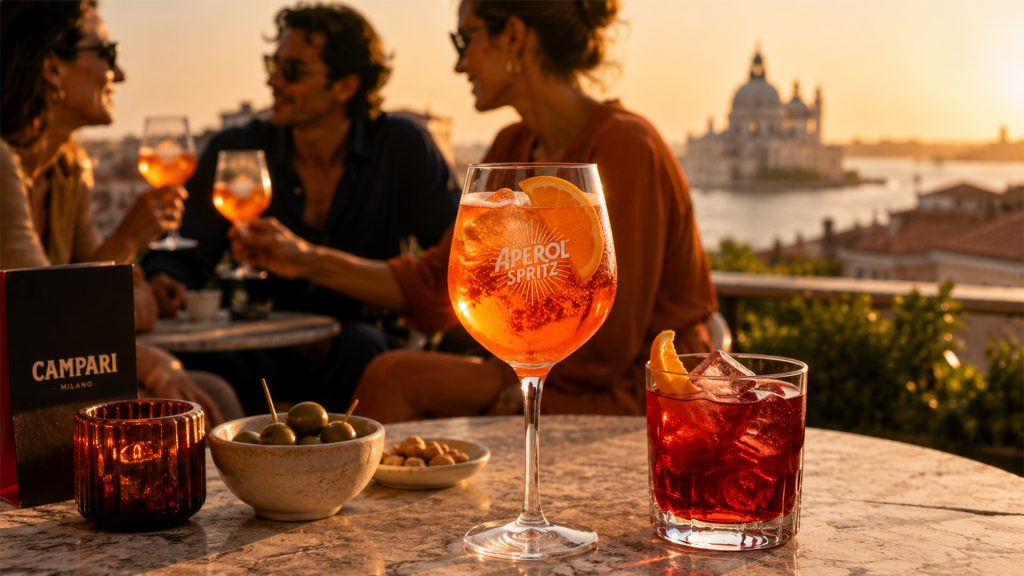
Aperol illustrates the new cost of maturity. Once the engine of a decade-long aperitivo boom, the brand now delivers low-single-digit growth in its core markets. The House of Aperitifs as a whole advanced 4%, helped by faster expansion in other labels, notably Sarti Rosa. The difference matters. Aperol has shifted from discovery asset to maintenance asset. Mature brands increasingly grow by multiplying occasions rather than expanding awareness. The group has responded with a wider range of formats: the Aperol Tap pilot across nine European markets this summer, To Go cans in selected markets, and ready-to-serve variants. Advertising and promotional spend rose to 17.4% of sales. In a mature category, relevance is no longer free.
Attention is being redirected with equal clarity. Espolòn remains the standout. Its 8.2% organic rise, balanced across Blanco and Reposado and supported by the Extra Añejo launch, has made it Campari’s most reliable growth driver in North America. The brand continues to gain share in the US premium tequila segment while the broader House of Whiskey & Rum contracted 6%, led by soft demand and supply constraints at Wild Turkey. The contrast is not accidental. Capital and commercial focus are moving toward the category that still offers room.
Geography tells a parallel story. Developing markets delivered 9.1% organic growth, with Argentina particularly strong. Europe managed 1.9% and North America 2.6%. In mature markets the group is defending and innovating. In emerging markets it is still seeding at lower relative cost. The pattern reinforces the same principle: attention is finite and must be allocated where the return remains attractive.
The financial results reflect this discipline. Gross margin expanded 130 basis points organically, helped by mix, residual agave cost benefits and limited tariff impact in the first half. Full-year tariff guidance has been reduced from roughly €30 million to €20 million. Adjusted free cash flow stayed positive after seasonal working-capital movements. Net debt to adjusted EBITDA stood at 2.6 times. None of these outcomes required heroic assumptions. They followed from a portfolio that is narrower and a cost base under tighter control.
Campari’s half-year does not mark a dramatic turning point. It confirms a shift already visible across the industry. When category tailwinds fade and rituals become habits, growth depends less on acquiring more brands and more on deciding which few deserve sustained focus. Capital remains available. Attention does not. The groups that recognise this scarcity earliest are the ones still able to expand margins while the rest of the market adjusts to slower conditions. Campari is simply executing the recognition with unusual consistency.