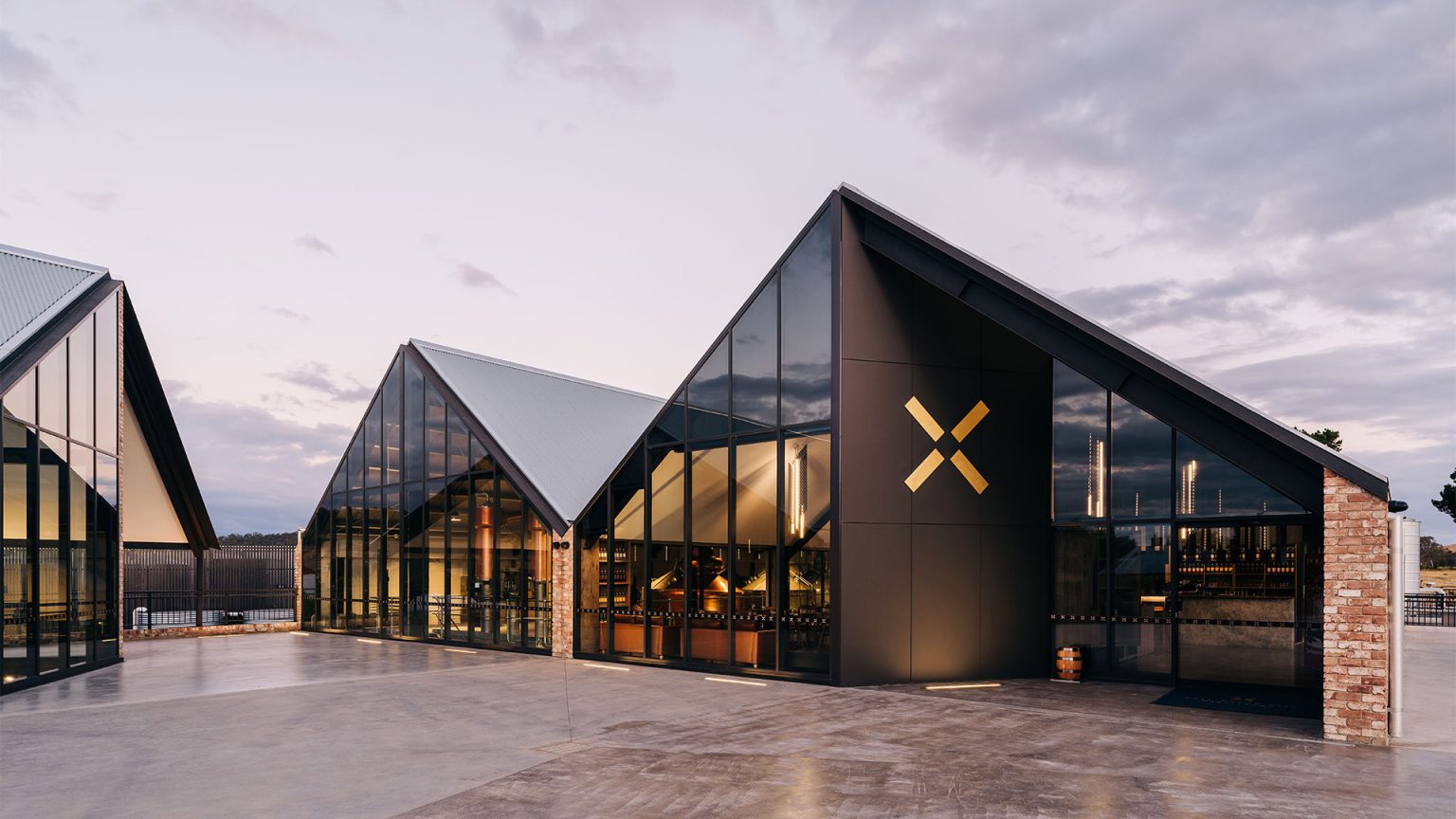
In the historic town of Oatlands, the Callington Mill Windmill stands beside a modern distillery. Built in 1837 as Australia’s third-oldest windmill and the only operational Lincolnshire-style tower mill in the Southern Hemisphere, the structure once produced flour and, on the side, illegal spirit. John Ibrahim founded Callington Mill Distillery in 2017 with co-founder Rizk Mawass. The two had previously worked together on the development of Shene Distillery, later acquired by Lark Distillery, before turning their attention to the Oatlands site and its heritage precinct.
The distillery’s approach to oak begins with the casks themselves. Callington Mill sources premium fortified-wine casks directly from Jerez de la Frontera in Spain and from selected bodegas in Portugal. These casks are shipped while still filled with sherry or port. On arrival they are drained and immediately filled with new-make spirit so that the saturated oak can influence the whisky from the first moment. This method requires the distillery to coordinate the handling of the original liquid, the timing of transport and the filling of new spirit, rather than simply purchasing empty casks already prepared by a broker. Maturation starts in smaller 30-litre casks, also of sherry and port origin. The higher surface-to-volume ratio accelerates early oak interaction. Once that stage is complete, the spirit moves into larger barrels for further maturation.
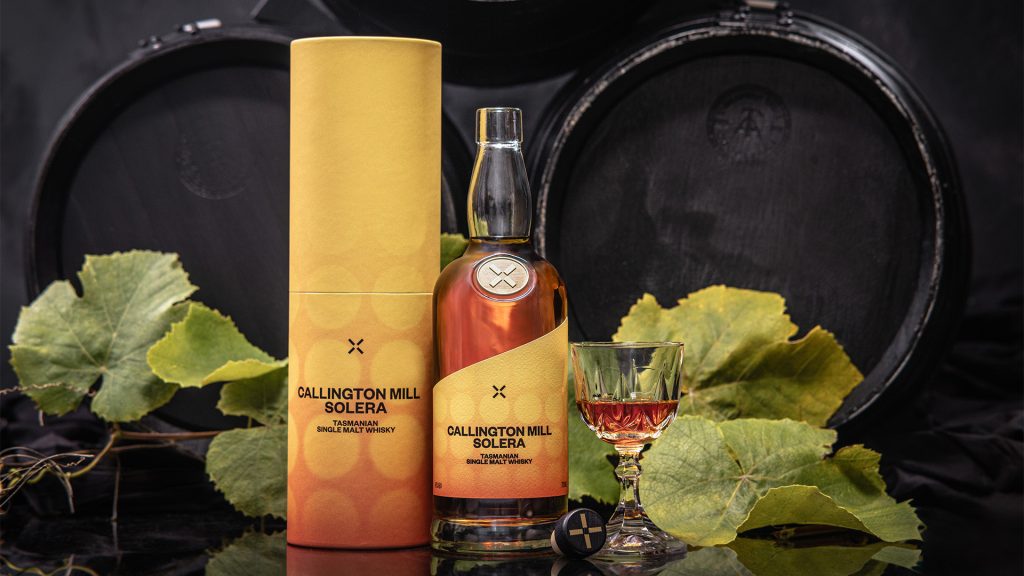
The Solera programme takes a different path. Traditional solera systems rely on successive layers of casks to blend fractions over time and maintain consistency. Callington Mill instead works with breadth. Its system draws on 14 different cask types, each of which previously held a liquid different from the others.
At Arthur’s Lake in Tasmania’s Central Highlands, on the property of Blue Lake Lodge owned by John Ibrahim, three barrels remain permanently outdoors. Each year a portion is withdrawn for bottling and replaced with mature Callington Mill whisky. The refilled casks then integrate for another 12 months before the next release. The liquid first rests in sherry and port casks, then finishes in bourbon casks that previously held Muscadelle or Caribbean rum, and in Australian Tawny casks. The barrels stand exposed to hot summer days, strong alpine winds and freezing winter temperatures.
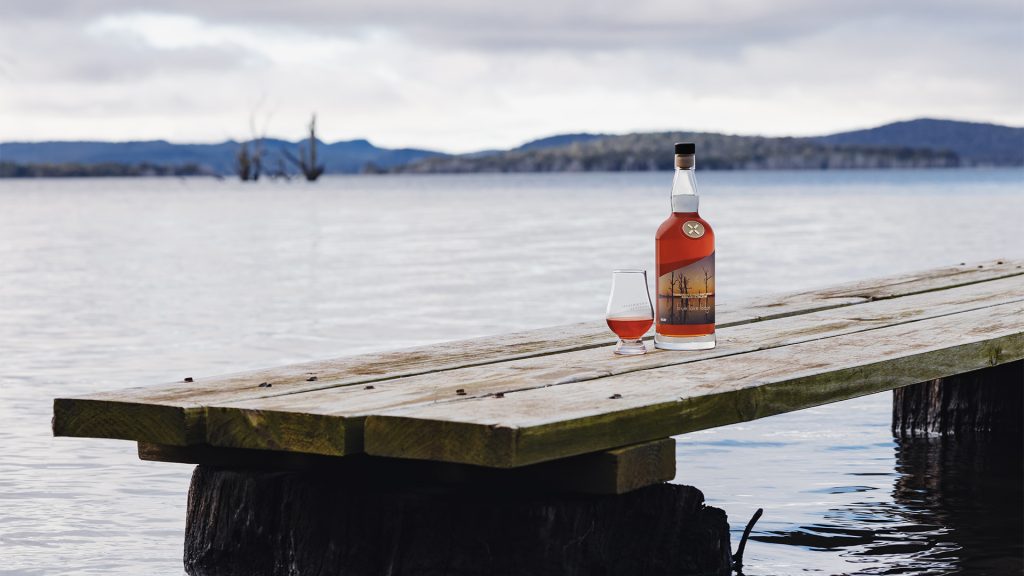
“Blue Lake Lodge sits in one of the most remote parts of Tasmania, and we wanted our whisky to reflect this terroir to an extreme,” Ibrahim said. “The altitude, cold winters and strong winds across the lake, they all played a role in shaping the spirit, creating a whisky that speaks directly to what we love about Tasmania.”
The outdoor setting is a deliberate contrast to temperature- and humidity-controlled warehouses. Ibrahim chose the location so that the altitude, wind and seasonal extremes would become part of the maturation process itself. The whisky that results is released as Blue Lake Lodge.
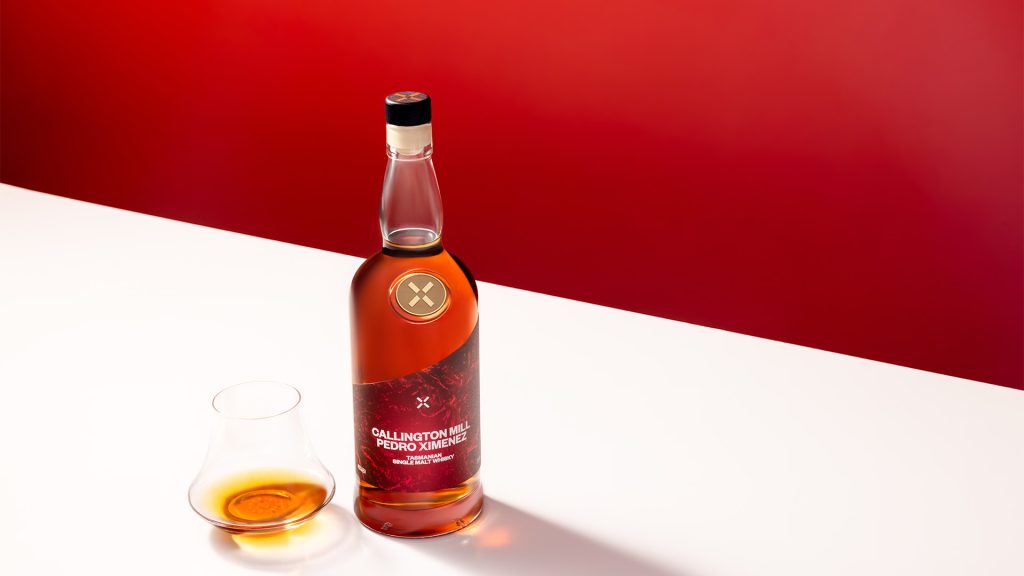
Elsewhere the distillery works more closely with the character already present in a single cask type. Pedro Ximenez is matured exclusively in first-fill ex-Pedro Ximénez casks. At the 2025 San Francisco World Spirits Competition, Callington Mill’s expressions collected four Double Gold medals. The Pedro Ximenez Single Malt scored 98 points, the highest among those medals, and the four Double Gold-winning expressions were in contention for Best in Class – Australian Single Malt Whisky. The exclusive use of first-fill PX casks gives the whisky its distinctive profile.
A third approach combines the histories of different casks rather than relying on one. The Solera expression draws fractions across the 14 cask types so that each contributes to the final blend. Where Blue Lake Lodge introduces a specific environment and Pedro Ximenez focuses on a single cask influence, Solera brings together the character of multiple cask histories.
Amphora begins in a blend of sherry, Tokay and brandy casks before it is transferred into 350-litre clay amphorae. It rests for two years in the distillery’s ambient Serendipity Room. The clay allows gentle evaporation without adding wood character.
Callington Mill continues to work with 100% Tasmanian barley and precision distillation, maintaining the oily richness associated with its house style while exploring different approaches to maturation. Its longer-term ambition is to develop age-statement single malts at 18 years, 21 years and beyond.