LVMH’s Wines & Spirits division recorded organic revenue growth of 5% in the first nine months of 2026 and accelerated to 6% in the third quarter. The group’s organic growth over the first nine months was 2%. In the third quarter alone it slowed to 1%, pulled lower by a 5% organic decline in Fashion & Leather Goods linked to weaker demand in China Mainland.
The contrast is not evidence that alcohol is more resilient than fashion. It shows that the same macroeconomic environment is producing different outcomes across categories. Demand for certain luxury goods has cooled in China Mainland. Demand for Hennessy has not.
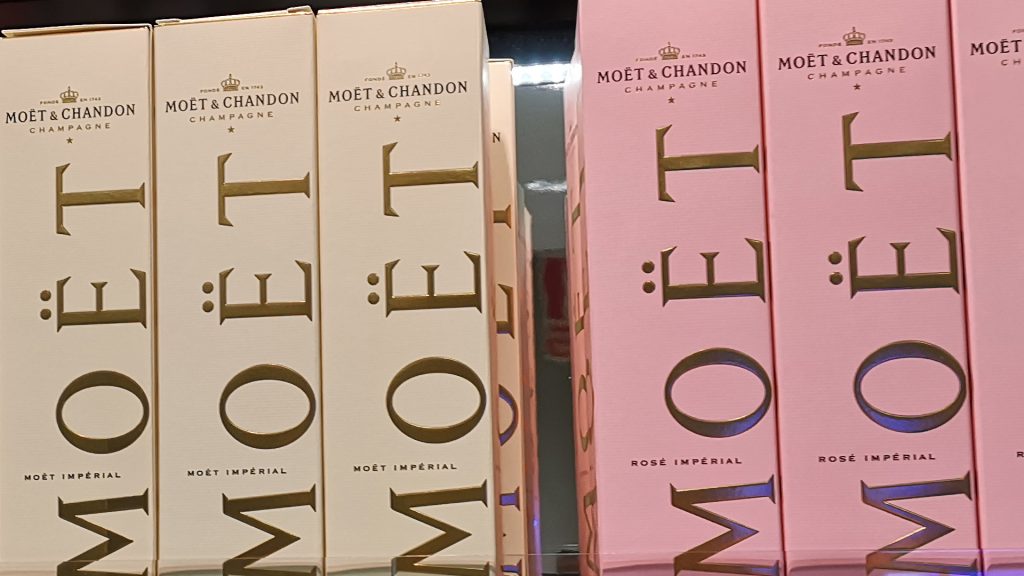
Champagne continues to recover, particularly in Europe. Moët & Chandon is in its second season as the official champagne of Formula 1. The combination of regional demand and sustained high-visibility exposure has supported growth. Prestige cuvées have performed relatively well in Europe and Japan. Everyday grande marque ranges have shown more limited momentum. Growth in champagne is therefore tied to specific geographies and occasions rather than to a broad return of celebratory spending.
Hennessy presents a sharper split. The brand maintained positive momentum in Asia, including China Mainland, where the improvement that began around Chinese New Year has continued. In the United States the company attributes the contribution to the launch of a new VS ready-to-serve cocktail range. The same brand is therefore generating growth through different product forms and consumption occasions in different markets.
The distinction matters. A new ready-to-serve range can expand occasions and reach consumers who do not currently buy traditional cognac. It does not, by itself, demonstrate that demand for core cognac has recovered or that it remains soft. LVMH’s disclosure supports a difference in the sources of growth. It does not provide the separate volume or price data that would be needed to measure the underlying trend in traditional expressions.
Cognac and spirits overall delivered roughly 4% organic growth over nine months, slower than the champagne and wines side. Within that figure, Glenmorangie and Belvedere are described as showing good performance and ongoing innovation. Provence rosé wines continued to progress. A lower-alcohol Chandon Spritz range received positive early responses. These results indicate that LVMH is testing adjacent formats and occasions. They do not yet constitute evidence of a broader strategic shift. The scale and durability of these contributions remain limited in the available disclosure.
The same market that continues to support Hennessy is simultaneously constraining the group’s largest business. Fashion and leather goods appear more directly exposed to shifts in high-net-worth consumer confidence and local sentiment. Hennessy’s demand in Asia remains more embedded in existing social and gifting occasions, and has so far responded differently to the broader cooling in luxury spending.
Organic growth of 5% to 6% is real. It is not uniform across regions, price tiers, or product forms. Champagne’s recovery remains concentrated in Europe and linked to visibility. Hennessy’s growth is split between continued Asian momentum and a new American format. Adjacent products are being tested. None of these developments requires the conclusion that ultra-premium spirits have regained broad pricing power. The nine-month figures do not disclose the mix of volume, price, and mix effects. Earlier half-year results pointed to volume recovery and cost control as the main drivers of margin improvement. The third-quarter release does not update that picture.
What the numbers show is a recovery that remains selective by geography, occasion and format. LVMH’s strongest brands are still finding growth, but those gains do not yet indicate a broad return of pricing power.