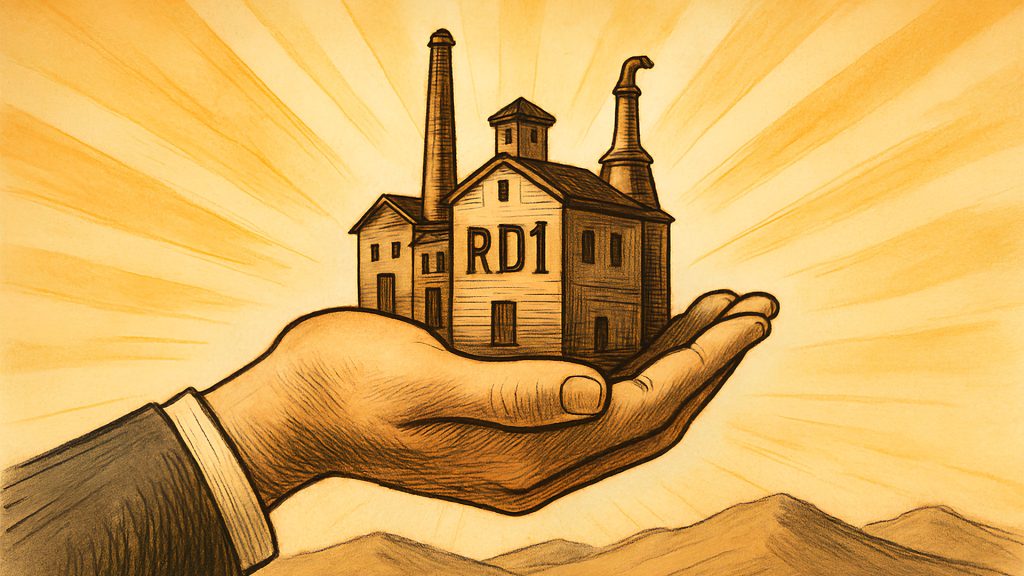
Inventory is not a backlog. It is a verdict.
It is the accumulated proof that demand, supply, and distribution no longer align – the visible corpse of the old shipment-driven model and the new threshold for execution-led growth.
Across the latest reporting cycle, one pattern repeats with striking consistency: shipments are running ahead of depletions, and downstream channels are no longer absorbing inventory at the previous pace. In its latest H1 FY26 results, Diageo reported organic net sales down 2.8%. US Spirits declined 9.3% organically, with tequila falling 23.1% as Don Julio and Casamigos both posted double-digit drops; distributors moderated orders in response to softer demand, pushing shipments ahead of depletions in several key brands. Chinese Baijiu volume plunged 50.4%, materially dragging the group result. Excluding CWS, organic net sales would have been close to flat.
Pernod Ricard’s H1 FY26 results similarly highlighted inventory adjustments amplifying declines in both the US and China Mainland. These are not isolated data points. They mark the moment when the structural weaknesses explored in earlier articles – weakening retail execution, fragmented premiumisation, and ongoing channel resets – converge into a tangible imbalance.
Root Cause: Structural Demand-Supply Misalignment
The core driver is a deepening mismatch between what the industry continues to supply and what consumers are actually depleting at retail.
Premiumisation, long the industry’s primary growth engine, has fragmented. In the US, stretched consumer wallets have accelerated downtrading in tequila and other high-end spirits toward more accessible alternatives. In China Mainland, regulatory tightening and reduced on-trade occasions have sharply curtailed demand for certain premium baijiu and cognac segments. Meanwhile, RTDs, local flavour innovations, and lower price bands are gaining ground in multiple markets.
This demand shift meets a supply base that remains relatively inflexible. Long-maturation categories – aged whiskies, cognacs, certain tequilas, and traditional sauce-aroma baijiu – carry committed capacity and multi-year inventory pipelines. Post-pandemic builds, predicated on stronger recovery expectations, have proven slow to unwind.
Channel Reset as Amplifier, Supply Rigidity as Constraint
Channel dynamics now amplify the imbalance rather than cushion it. Distributors and wholesalers, focused on cash preservation and faster velocity, have grown reluctant to hold excess stock. Diageo noted distributors actively moderating orders in the US, while Pernod Ricard cited inventory adjustments as a meaningful factor behind softer performance in key markets. The risk that was once comfortably absorbed downstream has shifted back toward brands and suppliers.
Supply rigidity then locks the mismatch in place. Maturing inventory continues to age even as depletions slow, tying up capital and limiting flexibility. Where consumer preference has moved toward RTDs, accessible premium, or low-and-no expressions, traditional supply chains adjust only gradually.
Inventory is what remains when alignment fails.
Subscribe to our newsletter
Where Economics Becomes Power
Inventory does more than create temporary headaches. It redistributes control across the value chain.
Pricing power concentrates in SKUs and brands that still demonstrate genuine retail velocity. Where overhang is heavy, discounting, parallel trade, and aggressive range rationalisation become necessary, eroding margins and long-term brand equity. Cash flow tightens for those forced to carry the stock, with working capital absorbing liquidity that could otherwise fund innovation or execution. Channel relationships are renegotiated under pressure, as distributors push back against allocations that no longer move.
Most critically, survival and competitive positioning diverge. Brands with strong execution density, data-driven prioritisation, and relevant consumer propositions are navigating the environment with greater resilience. Others, particularly those reliant on traditional wholesale push in pressured price bands, face mounting strain.
The Geography of Inventory Pressure
The pressure is not evenly distributed. It is most acute in the US and China Mainland – the two markets that have historically driven much of global spirits growth. In the US, cautious consumption and intense competition have triggered destocking and downtrading, especially at the premium end of tequila and mainstream spirits. In China Mainland, policy changes and softer on-trade demand have created significant overhang in high-end segments.
By contrast, selected markets in Europe, Latin America, Africa, and India show greater resilience, often supported by local innovation, beer platforms such as Guinness, or strong RTD performance. Within portfolios, accessible formats and ready-to-drink expressions frequently outperform long-aged ultra-premium lines.
Inventory reveals the new map of advantage: velocity and relevance now matter more than volume shipped.
The industry has moved beyond diagnosis. Retail execution gaps, fragmented premiumisation, and channel resets have now crystallised into inventory.
Inventory does not just expose the limits of the old model. It forces the adoption of the new one. Execution is no longer a growth choice. It is the only sustainable path forward.
How brands and suppliers respond – through tighter cash discipline, sharper demand creation, and superior execution infrastructure – will determine who emerges stronger from this reckoning.