Rye whisky has deep roots in Virginia, where it was produced and consumed long before Kentucky became a state. For nearly two hundred years, rye production was closely linked to tobacco farming. Rye served as a cover crop that helped restore nitrogen to soil depleted by tobacco cultivation, and many tobacco plantations also distilled rye whisky. By 1790, Virginia reportedly had more than 3,000 such operations.
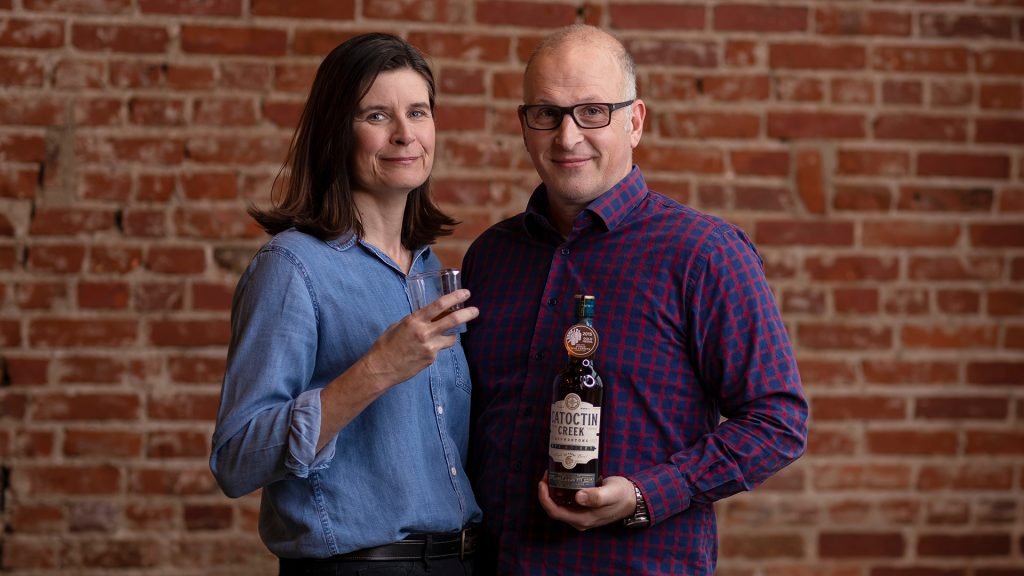
Catoctin Creek Distilling Company, founded in 2009 in Purcellville, Loudoun County, works within that history. The distillery produces 100 percent rye whisky from organic grain, with Roundstone Rye as its core range. Scott Harris, the company’s founder and general manager, puts the connection plainly: “Rye is the history of Virginia.”
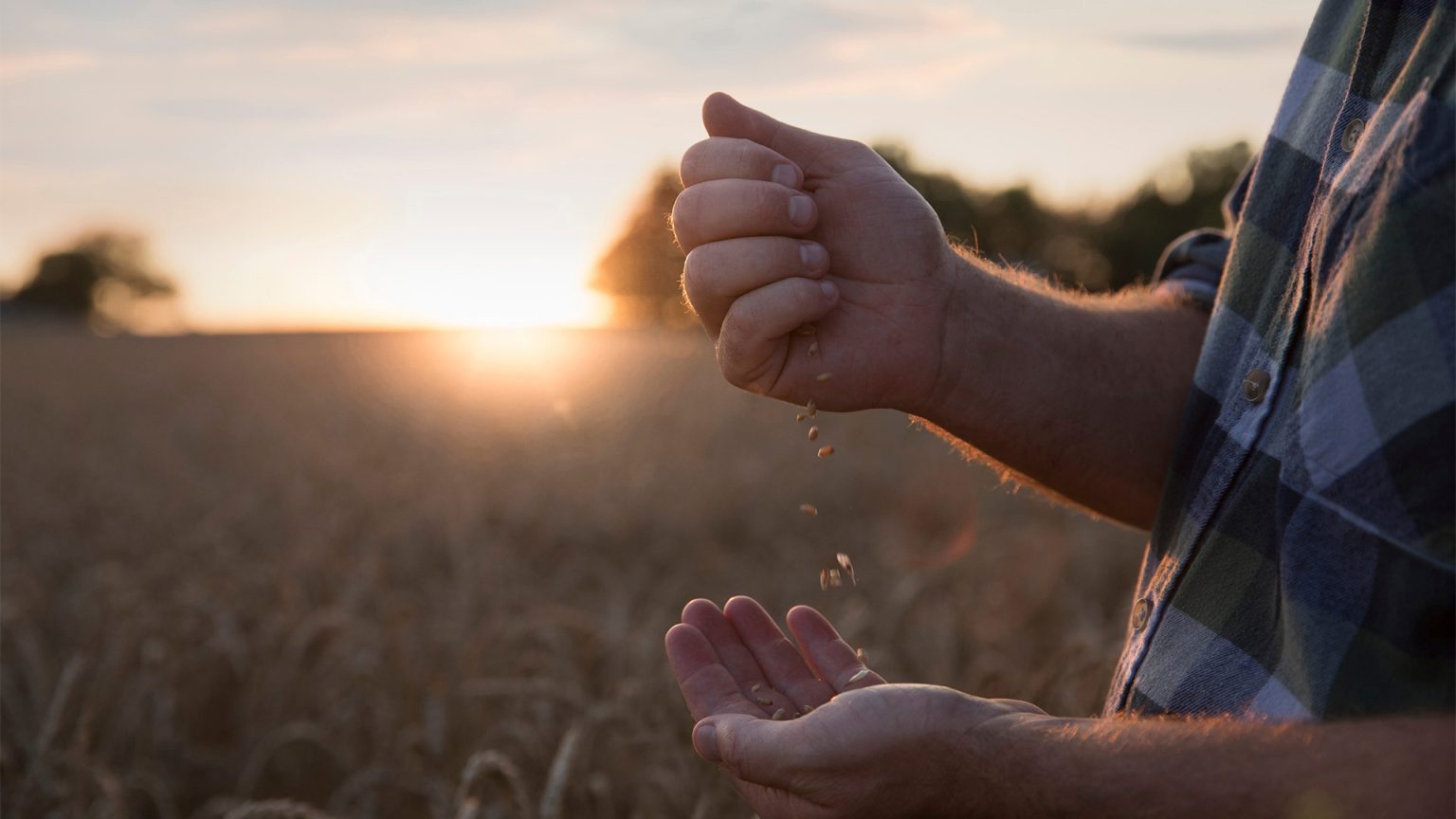
Local organic rye enters production under practical constraints. Harris says the priorities are taste and yield. The grain must taste good, and it must produce enough sugar to be economical. “We’ve had bad tasting rye before, and we don’t use it.” When the distillery started in 2010, grain came from Kansas. It took years to establish a local supply. The current relationship with one Virginia farmer is long-standing. “We would sooner shut down business than change our farmer at this point. He’s family.”
Distillation is deliberately extended. Roundstone Rye is pot distilled for eight to nine hours. Harris describes the effect through cooking: “Think of it like making tomato sauce on the stove. A long slow cook gives a richer sauce, a sauce which caramelizes over time, and creates wholly new flavor from what it started from.” The extended run is intended to develop additional flavor in the mash rather than extract spirit as quickly as possible. The distillery works with 100 percent unmalted rye and uses enzymes to achieve conversion while maintaining a pure rye character and batch consistency. The spirit is aged in new charred oak, mainly in smaller barrels for the Roundstone range, and is not chill-filtered.
The Roundstone Rye line is offered in three expressions. The 80 proof is the softest and most approachable and remains the best seller. The 92 proof Distiller’s Edition is spicier. The cask proof is darker and more concentrated. Harris indicates the range already covers different preferences and that the distillery is satisfied with its current form.
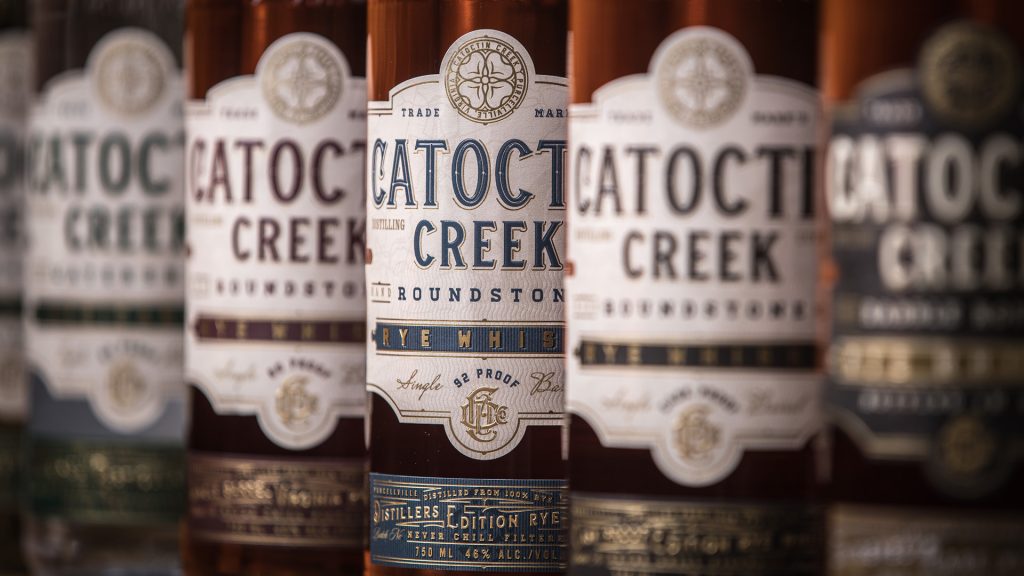
Early trade feedback sometimes noted that the whisky did not taste like typical rye. Harris recalls the exchange: “What do you mean it doesn’t taste like rye? It’s one hundred percent rye!” He later framed the difference as one of place. “This is what Virginia rye tastes like. Instead of the grassy, minty, dill spice bomb, we have a spirit that is softer, fruitier, nuttier, with flavors of plum, cherry, walnut and pecan. That’s the beauty of a spirit made from Virginia grain, mashed, fermented and distilled in Virginia, and aged in our Virginia climate. It has a uniqueness to it because it’s from this region.”
Catoctin Creek’s approach sits within a wider pattern of American rye producers working from local grain and specific production choices rather than a single national template. For this distillery, the path runs from Virginia’s historical rye fields through local organic grain and extended distillation to a whisky that carries the character of its place.